Applications for B-WET Competitive Grant Program Now Being Accepted

October 5th, 2012 by Kevin

Environmentally literate citizens with the skills and knowledge to make well-informed environmental choices are key to sustaining the nation’s ocean and coastal environments.

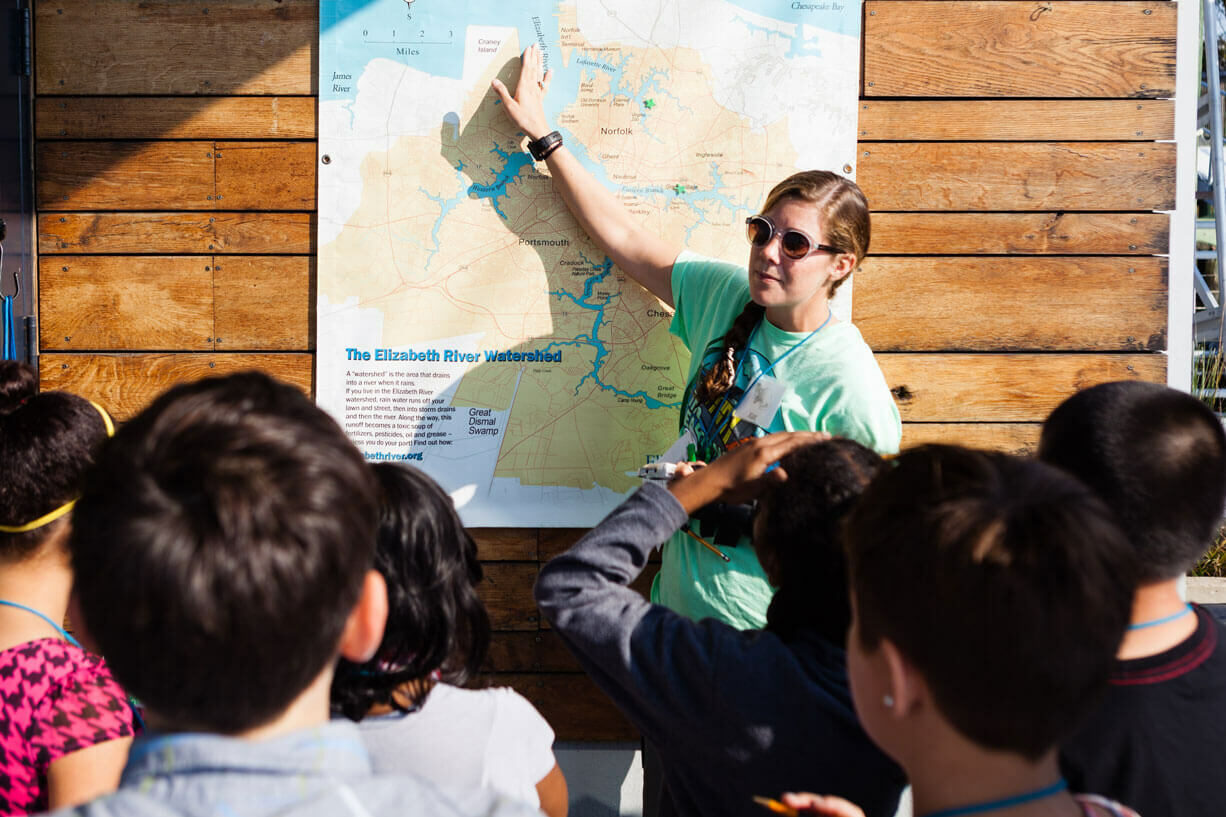
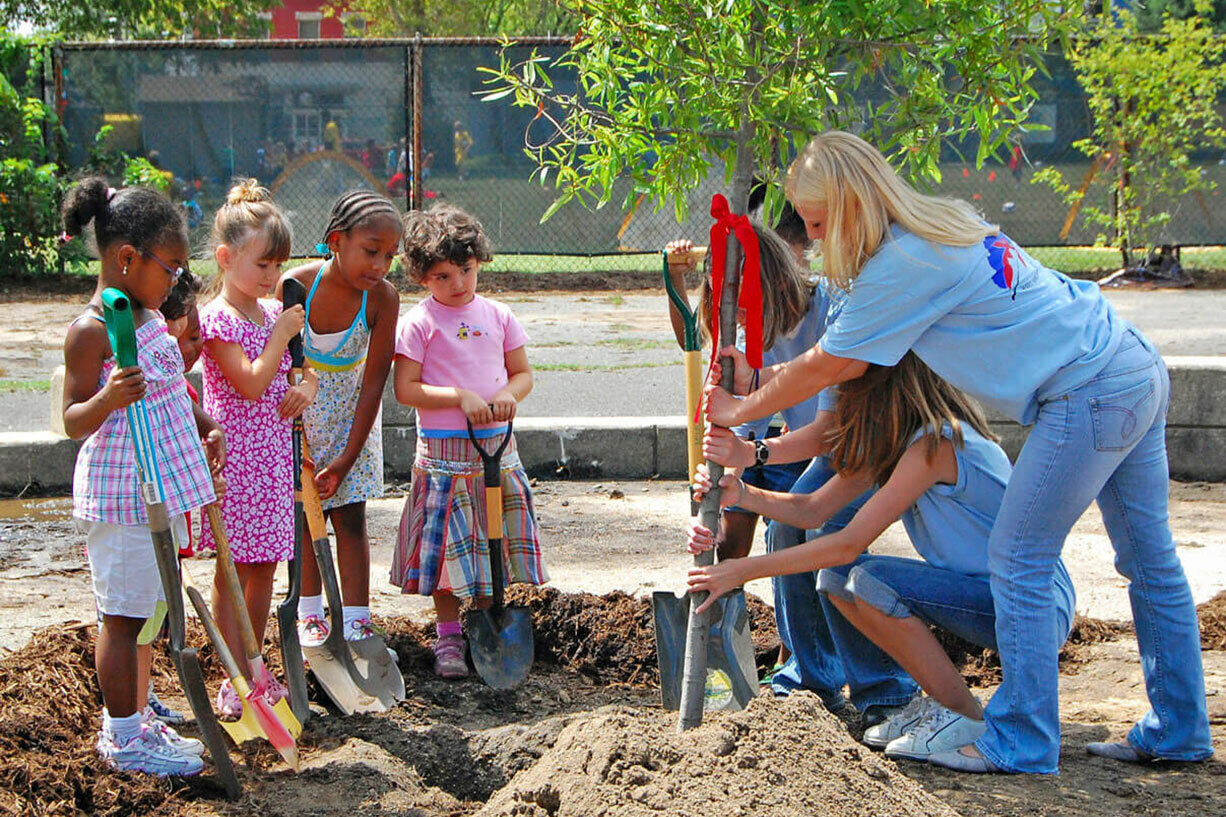
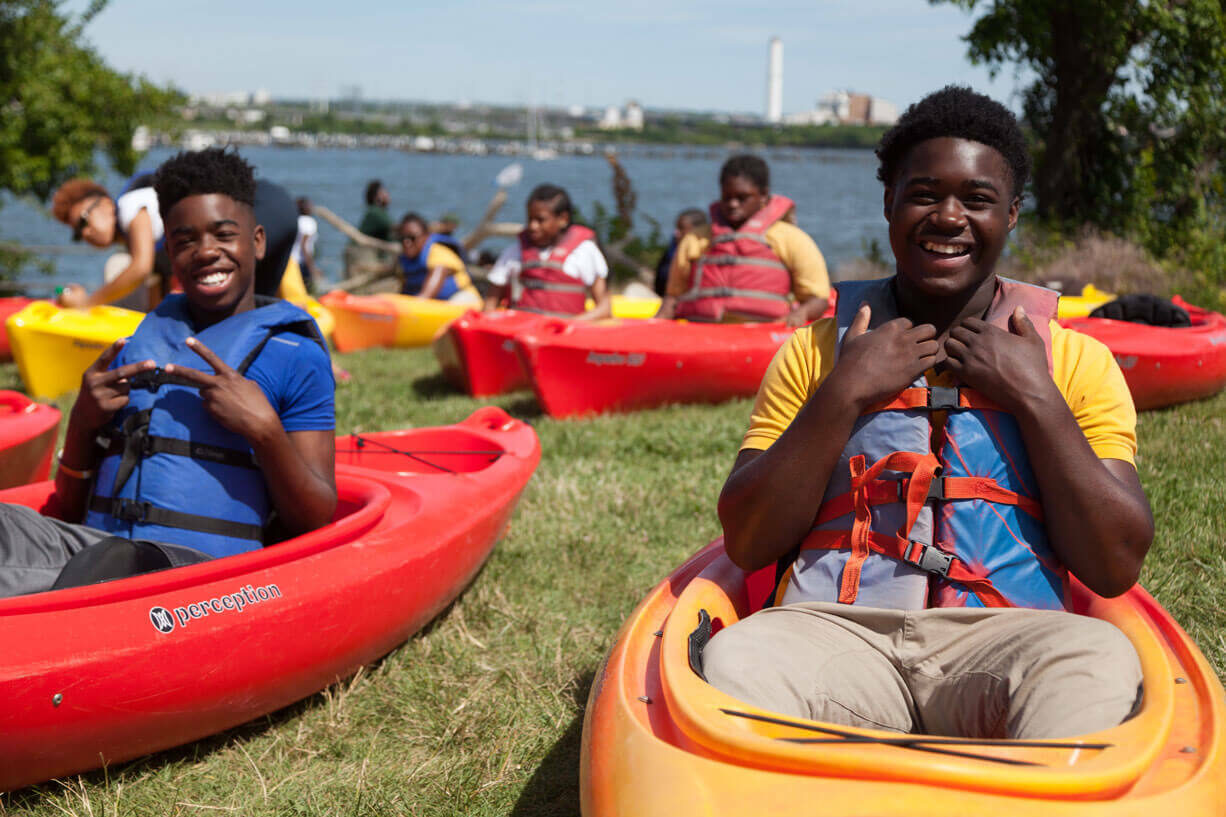
K-12 programs that provide students with meaningful watershed educational experiences (MWEE) related to the Chesapeake Bay and related teacher professional development and capacity building, this one’s for you:  The National Oceanic and Atmospheric Administration is now accepting applications for FY13 B-WET (Bay Watershed Education and Training) funding to support your program.

Proposals for FY13 funding must:

  • Be a systemic MWEE program that strives to reach the entire student and teacher population in one or more grades in an entire school system or recognized sub-unit of a school system;
  • Build the capacity of agencies and organizations to develop deliver, and sustain comprehensive STEM or environmental education programs that advance the MWEE at the state or regional level;
  • Pilot the replication of highly successful urban STEM programs to urban communities in the Chesapeake Bay watershed

If you’re interested, be sure to read the full NOAA Announcement of Federal Funding Opportunity for details and requirements. Also note that letters of intent must be submitted by 5 p.m. Eastern Time, October 30, 2012, and that the deadline for applications is 5 p.m. Eastern Time, December 19, 2012.

Informational webinars about the FY13 competition will be held October 10 at 10 AM, and October 12 at 1 PM (both times Eastern). To register for a webinar, visit http://chesapeakebay.noaa.gov/b-wet-workshops

Contact B-WET Chesapeake Manager Kevin Schabow with any questions.

UPDATE – October 26, 2012:

Due to the looming threat posed by Hurricane Sandy we have decided to postpone the deadline for letters of intent to the FY13 B-WET Chesapeake funding opportunity.  Letters are now due by 5 PM Eastern Time on Monday, November 5th.  This will not change the application deadline or time frame for receiving feedback on letters.

We’ve updated the B-WET website with this information, and the Grants.gov site will reflect this change shortly.

Filed under: Funding
Tags: , , , ,
Kevin Schabow is an Education Specialist at NOAA's Chesapeake Bay Office.

Paddling the Potomac: A MWEE to Remember

December 6th, 2010 by Page

Students on the "Paddling the Potomac" trip get the hang of paddling their canoes from one stop to the next. Photo courtesy of Page Hutchinson.

The morning mist rises above the river while a great blue heron leads the way. Besides the occasional cry of a Kingfisher, the only sound is of many paddles dipping in and out of the water. I know it won’t stay this blessedly peaceful and quiet for long once the 19 eighth graders find their rhythm and wake to the day.

This is our third morning of paddling on the Potomac River after spending the night camping in one of the many sites along the C&O Canal. Some of these children have never camped or canoed and are finally finding their daily stride. Today we made it onto the river in record time after requiring that the tents get packed before breakfast…good motivation!

Many years ago, Judy Cutright and I were  both teachers at J.P. Burley Middle School in Albemarle County. We developed this fall trip we call “Paddling the Potomac” in conjunction with The Mountain Institute in Spruce Knob, W. Va. Every year, we’ve tweaked the trip just a bit to make it better than the previous year.

On the first day, we meet TMI staff at Little Orleans on the Maryland side of the river. The students learn how to pack and seal a dry bag since we carry all our gear in the canoes with us. Usually they arrive with way more than they need and we have to convince them that their long underwear is more important than their favorite stuffed animal brought along for comfort.

Next is safety and paddling instruction. It may seem crazy, but yes, we takechildren on the river who have never paddled a canoe. The first day is always a little frenetic with canoes zigzagging back and forth across the river, heading the wrong direction or going in circles, but we coach them along and they finally get it. The shallowness of the river lessens any danger and we all wear life vests.

Students navigate to their next stopping point along the Potomac River. Photo courtesy of Page Hutchinson.

TMI provides one land guide who sees us off in the morning and then drives to our daily stopping point to mark it with hot pink plastic flagging ribbon easily seen from the river. Often, the TMI guide has to hike or ride a bike into the camp site since not all of them are easily accessible to a parking area. After several years of experimenting, we’ve finally worked out the distance between stopping points well enough that we land before dark.

We haul the gear, both personal and group, out of the canoes and pass it up to the campsite “bucket brigade” style. Due to erosion, most of our landing sites are steep and not conducive to individuals running back and forth. This teaches our students two great lessons: teamwork and erosion.

Trip participants pass supplies and gear along an assembly line from the canoes to camp for the night. Photo courtesy of Page Hutchinson.

Next is dividing into cook crew and tent crew. Every evening a different small group of students has the opportunity to cook dinner on portable camping stoves for the rest of the group, which is another first for virtually all the students. The rest of the students set up tents.

Countless opportunities offer themselves up for watershed instruction: erosion, algal blooms, land use, tributaries, habitats, and so forth. We can pretend we are traveling water molecules, and history and the role the river has played rounds out the experience.

The second day we pull out at Hancock, Md. to walk the C&O Canal, read the historical plaques, study the locks and peruse the museum. Most fun are the old film clips of the canal in use.

The group poses for a photo at Fort Frederick. Photo courtesy of Page Hutchinson.

The third day we land at Fort Frederick and enjoy a leisurely afternoon learning about life in the fort and its many uses over the years. Best of all is a visit to the store for a soda, ice cream or candy. It’s been three days of no junk food, after all.

Our fourth and final day on the river is a short one, only a couple of miles. We pull out at McCoy’s Ferry, unload, and rack the canoes. Next stop: Antietam Battlefield by school bus.

This last night together, we’ve made camp at the Harper’s Ferry KOA for the express purpose of taking showers. Unpacking dry bags and getting showers is interspersed with setting up camp and starting a special celebratory meal of lasagna made in two Dutch ovens. The evening ends with us around the campfire delighting in s’mores followed by a talent show.

"Paddling the Potomac" is a Meaningful Watershed Educational Experience none of the participants will be soon to forget. Photo courtesy of Page Hutchinson.

The final day of the trip, Friday, takes us to historical Harper’s Ferry at the confluence of the Shenandoah and Potomac Rivers, two rivers that have determined the fate of Harper’s Ferry. It is here we say goodbye to our beloved TMI staff who have to head back to Spruce Knob and deal with wet tents, mats, stacks of muddy dry bags, cooking gear, leftover food and the like. Living together as such a close community even for only five days makes this a heart-wrenching affair.

After a tour and some free time, we load up and head home to greet parents who can’t quite believe what they’ve just let their children do. Occasionally, I run into former trip participants and they never fail to mention it. “Remember when….”

It’s those moments that make it all worth it for the kids and for me – never mind four days of canoeing rather than being in the classroom!

Page Hutchinson is the MWEE Grant Coordinator for the Virginia Office of Environmental Education.

Calling All Students: Help Save Our Streams

November 8th, 2010 by Leah

Students in the Save Our Streams program participate in monitoring of macroinvertebrates.

There’s nothing like seeing a kid’s eyes light up as they make the connection between their daily activities and the quality of their local waters – all while splashing in a stream and looking at the creepy, crawly critters found there. Equally as rewarding is seeing a child who doesn’t thrive in a traditional classroom become a leader in the outdoor classroom.

The Izaak Walton League’s Save Our Streams program trains students and adults to monitor water quality and restore their local streams. Save Our Streams volunteers test water quality by identifying macroinvertebrates living in the water. Stream-bottom macroinvertebrates — including aquatic insects (such as dragonfly and damselfly larvae) and crustaceans (such as crayfish, snails, and clams) — are good indicators of water quality because they live in the same area of a stream most of their lives and differ in their sensitivity to pollution.

Which macroinvertebrates you find, or don’t find, in a stream indicates the pollution level of the water. Biological monitoring is a quick, inexpensive and accurate way to find out if water quality is good or poor, and it gives volunteers a baseline for tracking changes in stream health.

State and local government agencies often use volunteer-collected data to identify pollution problems and track long-term trends in water quality. Local Izaak Walton League chapters and watershed associations use the information to identify and prioritize sites for restoration and to track restoration success. The data can also be used to influence local planning decisions to protect sensitive waterways, and better yet, students see that what they are doing in school matters in the real world.

Getting students and adults engaged in stream monitoring is also a great first step toward building a love of the outdoors and a conservation ethic. They understand that their actions can improve water quality, and they become more willing to change daily behaviors – such as practicing water-friendly lawn care – to do so.

How Can You Bring Water Quality Monitoring to Your Students?

Students use a seine net during an SOS outing.

The best way to start a Save Our Streams program with your students is to connect with a local Izaak Walton League chapter, watershed association, or government agency volunteer monitoring program. To find a program near you, e-mail the Izaak Walton League at sos@iwla.org or visit EPA’s Surf Your Watershed Web page.

You can also start your own water monitoring program – we’ll show you how. For information about training sessions, monitoring equipment, manuals, and other resources, visit the League’s Save Our Streams Web page.

Water Quality and Stream Ecology Resources

There are many great lesson plans and educational resources that can help you prepare students for a day on the stream. Here are a few to get you started:

  • The Izaak Walton League’s Project Watershed brings experienced program leaders together with middle school and high school students to engage classes in biological, chemical, and physical stream monitoring. Visit the program’s Web site for a wealth of lesson plans and other resources.
  • The Izaak Walton League’s Save Our Streams project idea page includes information about stream monitoring, organizing a watershed cleanup, and projects such as making rain barrels and rain gardens. For links to other educational resources, visit our Educational Programs page.
  • The Bureau of Land Management’s Holding onto the GREEN Zone Guide provides hands-on classroom activities for middle school students on stream ecology, the role of streamside buffers, water quality, and conservation careers. Indoor and outdoor activities are included.
Leah Miller is the Clean Water Program Director at the Izaak Walton League of America, Inc. in Gaithersburg, Md.

Ease back into the classroom – or out of it – with field studies

August 30th, 2010 by Lindsay

Labor Day is just a week away, and with it comes the traditional end of summer for many people. Once the cookouts and pool parties are over, most children will be back in school for the year, if they are not already. It can be just as difficult for teachers to get back into the swing of the school year as it is for the students, so there are a few ways to ease both yourself and your students into it.

It’s likely that your minds, and your students’, are still on the fun you had over the summer, out on the water or enjoying the outdoors in other ways. So why not think about the fun things you can do outside of the classroom this year with a field study?

Photo credit: Virginia State Parks, First graders enjoy "A Stroll in Nature" presented by a Virginia State Park ranger.

There is information for more than 300 field studies in the Chesapeake Bay watershed available on Bay Backpack. From stream water quality monitoring to restoration activities, lab visits and wildlife tours, there is something available for all age groups to get a Meaningful Watershed Educational Experience (MWEE).

The Irvine Center in Owings Mills, Md. has information about its 2010-2011 educational programs available now here. The Center provides 10 options for field experiences for all education levels.

If you can’t get approval for a field study or it is too difficult to take your students out of the classroom, be sure to check about in-classroom opportunities as well. The Irvine Center, for example, offers Nature in the Classroom programs that might be a perfect fit in December and January during the cold winter months where getting outside can be especially difficult.

You can also schedule in-classroom presentations to students of all ages by staff currently working at the Chesapeake Bay Program. If you are interested and live in the greater DC or Baltimore areas, please contact Kristin Foringer or Lindsay Eney.

Start talking about field trips you are planning for this year now and your students will be motivated to keep going with that light at the end (or middle!) or the tunnel! Create a list of options for field studies that go along with your curriculum and then ask your students for input on where they would like to go. Getting your students involved in every aspect of the MWEE will help them realize how much of a difference they can really make!

Filed under: Field Studies
Tags:
Lindsay Eney is the Communications Staffer at the Chesapeake Bay Program.

North Branch School Releases its Catch

July 1st, 2010 by Kris
Students measure fingerlings as part of the observation and documentation of the growth and changes in the trout.

Students measure fingerlings as part of the observation and documentation of the growth and changes in the trout.

  Trout in the chilled tank.  The North Branch students placed the eggs in the tank in October 2009 and cared for and studied them until their release in late April 2010.  The chilling unit was purchased through a grant from the Dominion.

North Branch students placed the eggs in the chill tank in October 2009 and cared for and studied them until their release in late April 2010. The chilling unit was purchased through a grant from the Dominion.

Two North Branch students released some of their 118 trout into the the South Fork of the Piney River.

Two North Branch students released some of their 118 trout into the the South Fork of the Piney River.

Located in Virginia just south of Afton Mountain on the eastern slope of the Blue Ridge, the North Branch School considers experiential education a major part of its guiding philosophy.

One of the school’s current endeavors is providing a Meaningful Watershed Educational Experience (MWEE) for students in grades 5-8.  To accomplish this goal they selected the Trout in the Classroom Program as their focus.

During the school year, 40 fifth through eighth graders were actively involved in all aspects of raising the trout, from assembling the tank last fall, to the day of the release in South Fork of the Piney River (part of the James River Watershed) this past April.

The year long study was launched with students examining the geography of the local watershed.  They learned to read topographic maps by tracing the major waterways in Virginia.

Then they studied water quality parameters by monitoring both their classroom trout tank and a local stream in the field by using the Virginia Save Our Streams protocol.

North Branch’s remaining 70 kindergarten through fourth grade students also participated in the project though regularly visits to the trout tank to sketch the trout in various stages of the life cycle.  Younger students conducted demonstrations and experiments and record data with the older students.

It is science teacher Maggie Buchanan’s hope that the MWEE project will increase the students’ understanding of what it takes to keep the local watershed healthy and thriving. Support for the project was provided by Dominion Power and several local natural resource agencies.

Additional Resources:
Trout in the Classroom – Trout Unlimited
North Branch School Website
Fish Related Teaching Resources – Bay Backpack

Kris Jarvis works at the Virginia Department of Environmental Quality’s Office of Environmental Education.

Welcome to the Bay Backpack!

January 19th, 2010 by Krissy

Welcome to the Bay Backpack, THE source for Chesapeake Bay education resources, field studies, trainings and funding opportunities for educators.  Take some time to explore the pages of the Bay Backpack to discover ways to get your student’s feet wet and hands dirty.  Read the blog for exciting project ideas for your school and tips on ways to integrate outdoor education into your curriculum.  Be sure to sign-up for our newsletter to receive a monthly email with news and new resources.

Watch our informational video about Meaningful Watershed Educational Experience or MWEEs.  MWEEs enable students to participate in hands-on environmental learning about the Chesapeake Bay watershed. Throughout the MWEE process, students develop a sense of environmental ethics and stewardship that are essential to the long-term sustainability of the Chesapeake Bay. The Bay Backpack, a resource designed to help educators provide meaningful watershed educational experiences or MWEEs to their students.

So take some time to pack your own Bay Backpack with resources and get your students outdoors!

Filed under: Teaching Resources
Tags:
Krissy Hopkins is a former Chesapeake Bay Program Staffer and is currently pursuing her PhD in geology at the University of Pittsburgh.