B-WET Chesapeake Funding Opportunity is Now Open!

August 4th, 2010 by Kevin

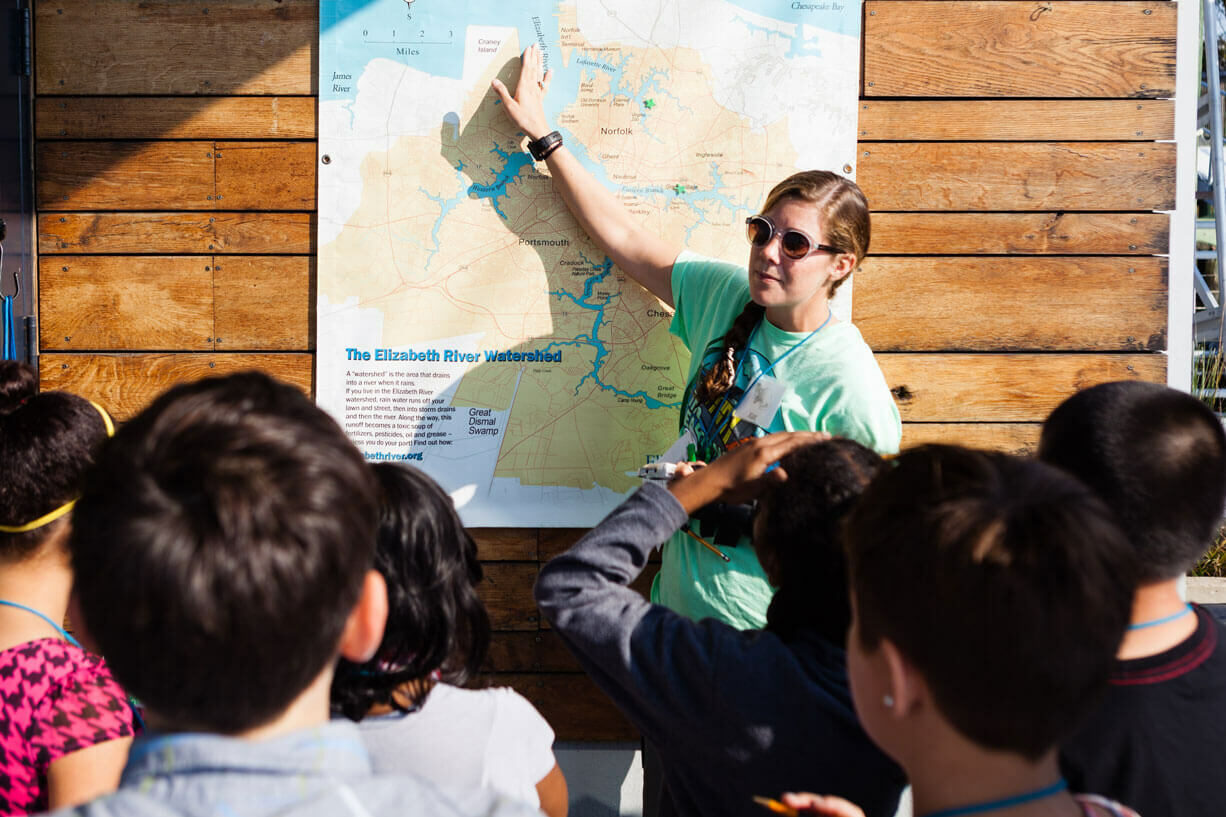
Students participating in a B-WET supported field study

Every year since 2002, the NOAA Chesapeake Bay Office has managed a competitive grant program-the Bay
Watershed Education and Training (B-WET) program. B-WET supports K-12 environmental education programs that advance the Meaningful Watershed Educational Experience within the Chesapeake Bay watershed.The deadline for applications to the 2011 competition is Friday, October 15th, 2010.

The official funding announcement for the new grant process is now available. This announcement provides all the details about the kinds of projects B-WET will be funding in 2011.

NOAA is holding informational webinars in August about B-WET and the 2011 funding announcement. Anyone interested in applying for funds this year is encouraged to attend one of these online workshops, even if you’ve applied for B-WET Chesapeake funds in the past. Please visit the B-WET homepage for more details and contact information.

Filed under: Funding
Tags:
Kevin Schabow is an Education Specialist at NOAA's Chesapeake Bay Office.

Bay Plates for Bay Education

July 5th, 2010 by Kacey
Ever wonder what these license plates are for?  They fund Chesapeake Bay Trust grants!

Ever wonder what these license plates are for? They fund Chesapeake Bay Trust grants!

The recovery of the Chesapeake Bay – and the future health of our environment, economy, and communities – depends on an environmentally literate and engaged citizenry. Through its environmental education programs and partnerships, the Chesapeake Bay Trust seeks to build a K-12 educational system in Maryland and the region that provides all students with the knowledge, intellectual skills, attitudes, experiences and motivation to become better stewards of the environment, their local rivers and streams, and the Chesapeake Bay.

The Chesapeake Bay Trust awards environmental education grants through two grant programs: The Mini Grant Program and the Environmental Education Grant Program.

The Mini Grant Program awards up to $5,000 to support activities at schools and non-profit organizations that help promote awareness of and participation in the restoration and protection of the Chesapeake Bay and its tributary rivers and streams. The Mini Grant Program is supported by a partnership with the National Oceanic and Atmospheric Association Bay Watershed Education and Training Program. Applications for this program must be completed by downloading the RFP which can be found on the Trust’s forms page and submitted to:

The Chesapeake Bay Trust
Attn: Mini Grant Program
60 West Street, Suite 405
Annapolis, Maryland 21401

The Environmental Education Grant Program awards funds to enhance Bay education programs and build green schoolyard projects that serve as models for schools across the state. Applicants can request up to $20,000 per project/program. This grant program is currently closed. We will announce the next round of funding to support this project approximately 3 months prior to the deadline, please continue to check our website for more information! Applications for this program must be completed online.

Additional Resources
Bay Backpack Funding Section

Filed under: Funding
Tags:
Kacey Wetzel is a Program Associate at the Chesapeake Bay Trust.

Five Grant Writing Tips for Teachers

June 21st, 2010 by Krissy
2004-02-29_Ball_point_pen_writing

Photo Credit: Wiki Commons, Ildar Sagdejev

Are you thinking about writing a grant this summer to fund a project for your class? These five  grant writing tips will help you get started!

Read and Follow Directions

  • Closely follow the grant criteria and guidelines
  • Do not assume the reviewer knows about the proposal
  • Call the grant administrator if you have any questions

Carefully Organize Text

  • Use bullets, headers, photos to organize and emphasize the key points
  • Proofread to reduce redundancy and grammatical errors

Create a Plan not just a Proposal

  • Explain all the steps needed to accomplish your project goals
  • Clearly explain how you will evaluate the success of your project

Show Authentic Partnerships

  • Name and define the role of each partner in the project

Submit an Effective Budget

  • Highlight your project match to show leveraging of funds
  • Detail the costs in easily understandable terms
  • Use an itemized, easy-to-read format
Filed under: Funding
Tags:
Krissy Hopkins is part of the Chesapeake Bay Program's Fostering Stewardship Team and Education Workgroup.

Grant Proposal Anatomy 101

January 4th, 2010 by Krissy

Here’s a lesson in grant application anatomy 101. A successful grant application is one that is thoughtfully prepared, organized and concise. A solid application has the following components;

1. Project Summary
Describe the overarching goal of your project; including how much money it will cost, how many years it will take to complete and the audience reached

2. Project Description
Describe in detail what your project will achieve (i.e. how your goal will be achieved and how your project meets the goals of the grant program).

3. About Your Organization
Explain the knowledge and experience your organization has to successfully achieve your overall project goal. Include resumes for each key contributor.

4. Project Budget
Provide a detailed spreadsheet with narrative to support the requested items or activities (personnel/salaries, fringe benefits, travel, equipment, supplies, contract costs, and indirect costs).

5. Project Outreach Strategy
Explain how you will publicize the work you are doing (i.e. via local newspapers, conferences or newsletters).

6. Demonstrated Financial Need
Explain why other funding sources cannot fund all of the proposed work. List all other sources of funding that are or have been sought for the project.

7. Project Evaluation
Explain how you will measure the success of your project through the collection and documentation of information about your project’s outcomes. These outcomes may be the number of students reached or schoolyard habitats installed.

Extras
• Letters of support
• Resumes of personnel
• Examples of products or programs to demonstrate credibility

Filed under: Funding
Tags:
Krissy Hopkins is part of the Chesapeake Bay Program's Fostering Stewardship Team and Education Workgroup.