Geocaching January: The Captain John Smith Geotrail

January 23rd, 2012 by Sarah

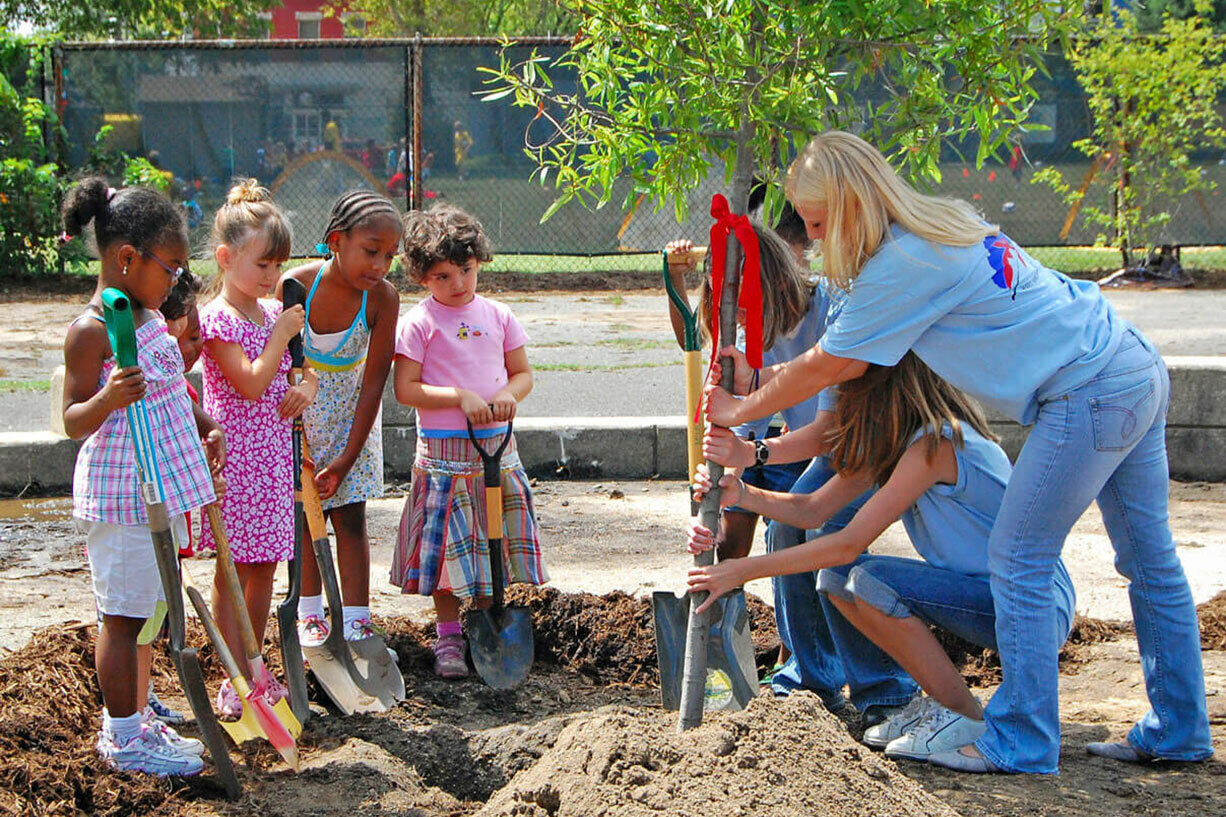
Children search for the geocache hidden at Accokeek Foundation, a site on the Captain John Smith geotrail.

Over 400 years ago, Captain John Smith explored the Chesapeake Bay… and now it is time for your students to do the same!  The Captain John Smith geotrail allows students, teachers, and the public to become adventures in their own right as they search for the “hidden treasure” using a hand-held Global Positioning System (GPS) unit to plot map coordinates that lead participants to geocaches.

Learn more about what geocaching is and how to do it in our “Geo-What” blog.

The Captain John Smith geotrail was developed through a partnership between the National Park Service and its Chesapeake Bay Gateways and Watertrails Network, the Maryland Geocaching Society, and the Chesapeake Conservancy after the success of the Star-Spangled Banner geotrail. The Captain John Smith geotrail allows participants to explore more than 40 sites located along the James, Nanticoke, Potomac, Rappahannock, and the Susquehanna Rivers that highlight the Chesapeake Bay region’s abundant natural, historic, and cultural resources.

The geocaches along this trail are hidden in places that were significant to Captain John Smith’s expeditions, past and present Native American communities, and the Chesapeake environment, and were designed to complement and promote the congressionally designated Captain John Smith Chesapeake National Historic Trail. A narrative document is located in each geocache, and will provide your students with information about the site they are visiting. For example, at a geocache site in Susquehanna State Park, the narrative describes the recreation opportunities available at the park, Captain John Smith’s encounter with the Massowomeck Indians in late July 1608, and changes in the environmental health of the Susquehanna Flats. A brief excerpt from this narrative is included below:

“…The Susquehanna Flats, a relatively shallow area at the mouth of the Susquehanna River, was covered in hundreds of acres of submerged aquatic vegetation in Captain John Smith’s time. With development and farming, excessive amounts of nitrogen, phosphorous, and heavy sediment did significant damage to the vegetative beds. Water quality improvements in the Susquehanna have begun to help the underwater grasses come back, and also some of the migratory waterfowl that used to feed on them…”

Visit the National Park Service Captain John Smith geotrail website to learn more about the geotrail or click here for information on the operational status of geocaches and for gps coordinates that will lead you to the caches.

Sarah Brzezinski works for the Chesapeake Research Consortium as the Chesapeake Bay Program's Fostering Stewardship and Education Workgroup Team Staffer. She also serves as the content manager of Bay Backpack.

Why Teach About Native Peoples of the Chesapeake?

November 23rd, 2010 by Lindsay

Pocahontas statue in Jamestowne, Va. Photo source: Tony the Misfit, Flickr

With Thanksgiving looming on the horizon, it’s time to reflect on the history of our nation and, specifically, our historically significant region. As you’re carving that turkey on Thursday, take the time to think about the native peoples of the Chesapeake region and how they helped form the land we know and love today, and encourage your students to do the same with their families.

Native Americans were the earliest inhabitants of the Chesapeake Bay and helped to shape the region we now reside in. There is not a significant written history of the Chesapeake’s native peoples, but artifacts left behind can teach us a lot about the land, water and way of life back then.

A big principle in Native American life was living in balance with nature and the environment. The people knew how to keep the area pristine and sustainable, while also living off of the land. The issues associated with massive development as we know it today were unheard of at that time.

Written accounts of Chesapeake natives begin around 1607, when Captain John Smith began his exploration of the Bay, mapping and journaling his experiences along the way. Unfortunately, with the arrival of European settlers and colonists, many of the native peoples of the Chesapeake were faced with disease as well as violence. The once-thriving population of Native Americans in the Chesapeake region rapidly decreased.

Of the different native peoples, the region’s most predominant were the Powhatan, Nanticoke and Piscataway nations. The communities were organized under chiefdoms, a sophisticated and multi-layered system of government. They practiced diplomacy and developed political and military alliances. They were deeply spiritual and expressed their religious values and beliefs in cyclical ceremonies and rituals that kept their world in balance.

They saw this taken advantage of when the Europeans began settling in the area, and those that have survived have seen the landscape change drastically since their ancestors first inhabited the area all those years ago.

Through the study of Native American artifacts in the Chesapeake Bay watershed, you and your students can begin a meaningful discussion of the ways the land has changed: how we use it, how we live off of it and how we respect it. Issues such as development, pollution, wildlife, sustainability, public access to waterways, and shoreline conservation are all likely to lead to some thoughtful discussions with older students.

Efforts to protect the Bay can also be applied to the Native peoples of the Chesapeake, because many of the measures being taken to conserve and protect land along the shores from development will help maintain the integrity of any artifacts that may be found in those areas.

In order to fully understand the Chesapeake Bay’s struggles in the present and the future, it is important to understand its history, a huge part of which was formed by the Native peoples of the region. Use some of these great resources to get the conversation started with your students and help the history of our native people live on.

Additional Resources:

Virginia Council on Indians Resources
Native American Resources
– Bay Backpack
We Have a Story to Tell: Native Peoples of the Chesapeake Region (Curriculum Guide)
– Smithsonian National Museum of the American Indian
America in 1607: Jamestowne and the Powhatan
– National Geographic interactive website
Pocahontas: Ambassador to the New World
– A&E

Lindsay Eney is the Communications Staffer at the Chesapeake Bay Program.

Why Teach About Captain John Smith?

October 4th, 2010 by Lindsay

Captain John Smith's map from his Chesapeake expedition.

Most of your students will probably hear the name Captain John Smith and think of the Disney depiction of the story of Pocahontas – John Smith is a blonde-haired, blue-eyed colonist who fell in love with a Native American. What they may not realize is that Captain John Smith was real, and played a vital role in the history of the Chesapeake Bay region.

Teachers may find it pretty easy to work the Chesapeake Bay into a science class, but there are a lot of ways to work Bay education into a history, English or social studies classroom as well. The Bay played a vital role in the colonial times with the establishment of the first English colony in Jamestown, Va. and Captain John Smith’s exploration of the Bay, the information from which remains valuable to us today.

Why should YOU teach about Captain John Smith?
Captain John Smith traveled up the Chesapeake Bay with 14 men, keeping a journal with detailed information about the people and places the crew encountered along the way. The observations Smith made during his journey allowed him to chart a very detailed map of the land and waterways making up the Chesapeake Bay region. Smith’s original chart is surprisingly accurate to the Chesapeake Bay as it is today, but a lot has certainly changed.

Over the centuries, the land has become more developed and more populated, leading to significant changes in the water and wildlife found in the region. The observations of Captain John Smith can teach us valuable lessons about the way humans can shape, for better or for worse, the land we live on. Your students will learn that Captain John Smith is not just a character in a Disney movie, but he also represents a vital chapter in the Chesapeake region’s history.

So how do YOU teach about Captain John Smith?
There are plenty of teaching resources about Captain John Smith and the colonial Chesapeake region. You can use the journey of John Smith to teach your students about land use, population growth, history, effects of humans on the environment and change over time. Start by checking out the resources below:

Lindsay Eney is the Communications Staffer at the Chesapeake Bay Program.

Follow Captain John Smith’s Footsteps

January 15th, 2010 by Krissy
Paddlers on the upper Patuxent River. Photo Credit: IAN Jane Thomas

Paddlers on the upper Patuxent River. Photo Credit: IAN Jane Thomas

Take your students on a journey of discovery, following in the footsteps of legendary explorer Captain John Smith. During Smith’s three years in Virginia, from 1607-1609, he navigated thousand of miles through the Chesapeake’s Rivers.

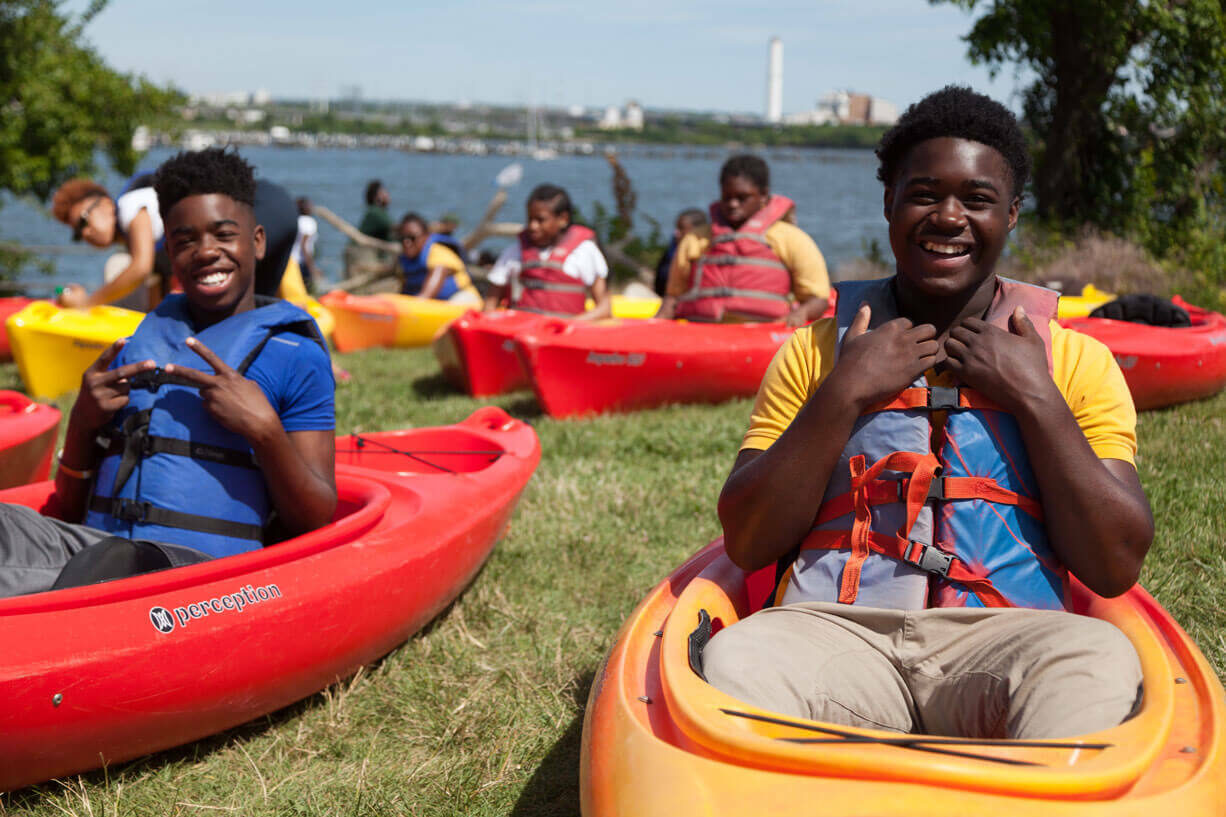
You and your class can recreate a small part of Smith’s Voyage by paddling or kayaking along the Captain John Smith Chesapeake National Historic Trail. The trail is a great way to get your students outside to learn the history and meaning behind Smith’s journey. Learn about Native Americans, including the tale of Pocahontas, and settlers’ encounters with them. Or visit the bay’s bountiful diversity of plants and life and learn how the environment has changed over time.

Begin charting your course NOW!

Additional Resources:
Chesapeake Now and Then – National Geographic

Filed under: Field Studies
Tags: , ,
Krissy Hopkins is a former Chesapeake Bay Program Staffer and is currently pursuing her PhD in geology at the University of Pittsburgh.